Perfect Verbs and Past Participles
Perfect verbs show actions that are finished, like “I have eaten”. To use the perfect tense, we need the past participle of a verb.


Perfect verbs show actions that are finished, like “I have eaten”. To use the perfect tense, we need the past participle of a verb.

Contractions are short ways of writing two words as one. For example, “don’t” is short for “do not”. They make sentences sound more natural.

The imperative verb tense is like the boss of the verb world. They tell us to do things. For example, “Listen!” or “Sit down.”

A homophone is a word that sounds like another word but has a different meaning. For example, “mail” and “male” sound the same.

Nouns are the building blocks of language. They name everything: people, places, and ideas. Let’s look at the eight types of nouns.

Some nouns you can count, like apples. We call these “countable nouns”. But you can’t count “uncountable nouns” like water or sugar.

Learn the verb “to be” and how to use it. Plus, you can learn about its structure in affirmative, negative, and interrogative forms.

Commas in English are like tiny breaks in a sentence, guiding readers through words. While often overlooked, commas play big roles.
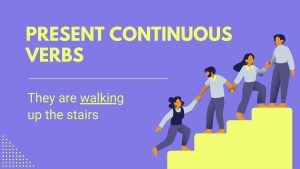
Present continuous verbs are all about actions happening right now. They show what someone or something is doing at this moment.
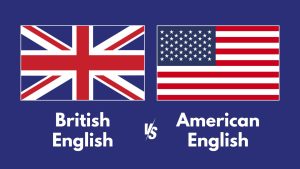
British and American English are like siblings from the same language family. They share a lot, but they also have their unique quirks.