Interrogative Form in English
Interrogatives are the questions we ask to learn more. They help us learn about the world and gain new knowledge and connections.


Interrogatives are the questions we ask to learn more. They help us learn about the world and gain new knowledge and connections.
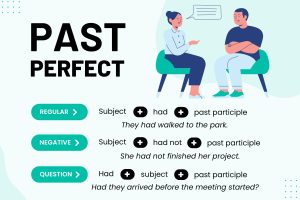
The past perfect tense talks about actions completed before another past moment. It helps understand the sequence of past events.

We use the future perfect tense when there is an action that will be finished by a certain time – “By 2030, we will have landed on Mars.”
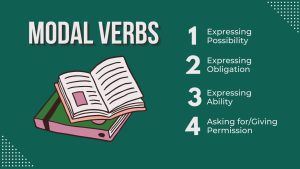
Modal verbs are special verbs that add meaning to the main verb in a sentence. They show possibility, ability, permission, or obligation.

The present perfect tense form combines “have” or “has” with the past participle of a verb. It shows actions that are finished in the present.

Irregular verbs don’t follow the usual rules for changing tense. Irregular verbs are unique and often require memorizing like “go” is “went”.

Perfect verbs show actions that are finished, like “I have eaten”. To use the perfect tense, we need the past participle of a verb.

The imperative verb tense is like the boss of the verb world. They tell us to do things. For example, “Listen!” or “Sit down.”

Present continuous verbs are all about actions happening right now. They show what someone or something is doing at this moment.

Learn the verb “to be” and how to use it. Plus, you can learn about its structure in affirmative, negative, and interrogative forms.