Singular to Plural Nouns
Changing singular nouns to plural nouns can be a little adventure. While most of the time, you just add an “s”, there are lots of exceptions.


Changing singular nouns to plural nouns can be a little adventure. While most of the time, you just add an “s”, there are lots of exceptions.

What is an interjection? An interjection is a word we use to express emotions. For example, “Wow!” shows surprise or excitement.

Are you looking to master the English language? A great first step is to familiarize yourself with these 100 high frequency words.

“In,” “on,” and “at” are prepositions of time. Each one helps describe time and place to know exactly when and where things happen.

The present simple tense talks about habits, facts, or routines. For example, “I eat breakfast every day.” is an example of present simple.

The simple future tense helps us talk about things that haven’t happened yet, but will soon. For example, “I will go to the store tomorrow.”

Direct and reported speech are two ways we can share what someone else has said. We look at their differences and the rules using them.

For anyone who wants to learn English, this is one of the best ways to practice speaking English. Here’s my personal experience.

As with all adverbs, they tell us more about the verb. There are 5 different types of adverbs (time, frequency, manner, place, and degree).
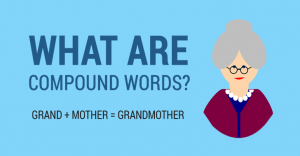
When you put two different words together, it forms another word and meaning. For example, compound words can have hyphens, spaces or no spaces at all between the two words.